

Building a Safe Indoor Play Space: Four Critical Safety Features Every Active Playroom Needs
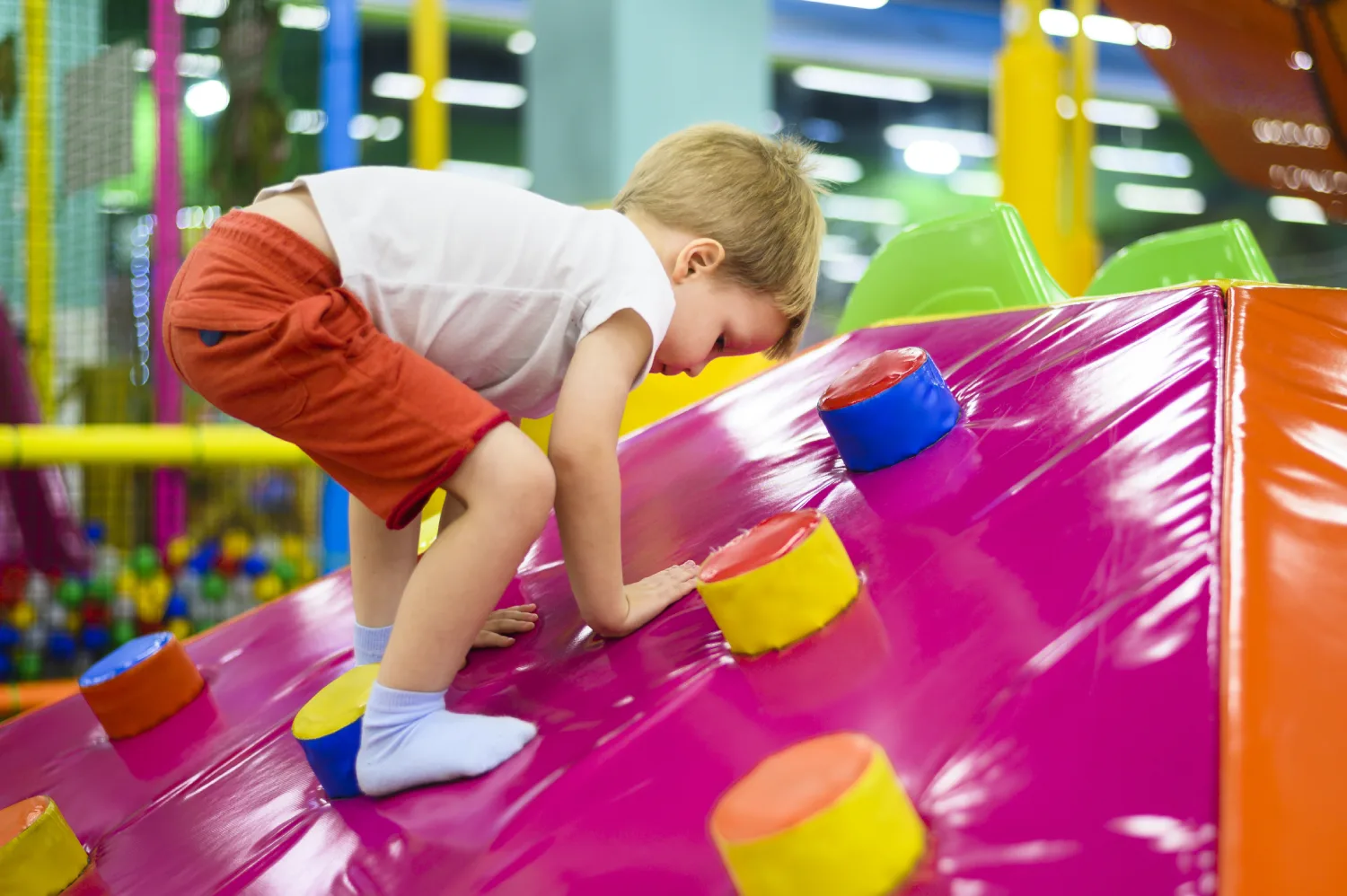
Indoor playrooms have become increasingly popular as families look for ways to encourage physical activity, creativity, and movement within the home. Features such as climbing walls, monkey bars, swings, gymnastic equipment, and obstacle courses can provide children with an engaging environment that supports healthy development year-round.
While these installations can create exciting spaces for children, safety should always be the first consideration during planning and construction. A playroom is only as safe as the structure supporting it.
Before installing active play elements, homeowners should carefully consider four critical safety features that help create a secure environment for children of all ages.
Proper Wall Anchoring
Many popular playroom features place significant stress on walls and attachment points. Climbing walls, cargo nets, pull-up bars, and certain activity panels are only as strong as the anchors holding them in place.
Improper installation can lead to:
Equipment movement during use
Damage to wall surfaces
Loose mounting points
Structural failure
Proper anchoring involves securing equipment directly to framing members and using hardware specifically designed for the intended load. Every installation should be evaluated based on the type of activity, expected usage, and weight requirements.
A professionally installed climbing wall or activity feature should feel solid, secure, and capable of handling years of active use.
Structural Reinforcement
Many homeowners assume that existing walls and ceilings are automatically capable of supporting swings, monkey bars, gymnastic rings, or climbing equipment. In reality, some playroom features require additional reinforcement before installation.
Certain activities create dynamic loads that place forces on a structure beyond what standard residential framing was originally designed to support.
Structural reinforcement may involve:
Additional framing members
Reinforced mounting locations
Ceiling support modifications
Load-distribution systems
Hardware upgrades
Taking the time to evaluate structural requirements helps ensure equipment remains safe and stable throughout its lifespan.
Impact-Absorbing Flooring
Children naturally test limits, explore movement, and occasionally lose their footing. Because falls are an inevitable part of active play, flooring selection plays a critical role in overall safety.
Hard flooring surfaces such as concrete, tile, or hardwood may not provide sufficient protection in activity-focused play spaces.
Popular impact-absorbing flooring options include:
Rubber flooring systems
Athletic flooring materials
Foam-based activity flooring
Specialized gym flooring products
Cushioned modular flooring systems
These materials help reduce impact forces and provide a more forgiving surface for active play. In addition to improving safety, many modern flooring options are durable, easy to clean, and designed to withstand years of use.
Adequate Spacing Between Features
One of the most overlooked aspects of playroom design is proper spacing. Even when equipment is installed correctly, placing features too close together can create unnecessary hazards. Children often move quickly between activities and may not always be aware of their surroundings. Adequate spacing helps reduce the risk of collisions and allows children to use equipment safely.
Proper planning should account for:
Swing movement paths
Fall zones around climbing structures
Clearance around monkey bars
Access routes between activities
Future growth and changing use patterns
Creating dedicated activity zones allows each feature to be used as intended without interfering with neighboring equipment.
Safety Starts With Proper Planning
The most successful indoor play spaces are designed with safety as the foundation of every decision. While climbing walls, swings, obstacle courses, and activity stations can provide years of enjoyment, their long-term performance depends on proper installation and thoughtful design. By focusing on secure anchoring, structural reinforcement, impact-absorbing flooring, and adequate spacing, homeowners can create active play environments that are both exciting and dependable.
A thoughtfully designed playroom should provide more than entertainment—it should provide peace of mind. When safety is incorporated into every stage of planning and installation, parents can feel confident that the space is built to support active play while minimizing unnecessary risks. By investing in proper construction methods and quality materials, homeowners can create an environment where children are free to explore, learn, grow, and stay active for years to come.
